
Is Orthopedic Rehabilitation Right for Me?
11th Dec 2015
If you’re dealing with an injury, recovering from surgery, or struggling with ongoing pain or stiffness, you may have heard the term “orthopedic rehabilitation.” But what does it actually involve and, more importantly, could it help you?
The right approach depends on your injury, your symptoms, your recovery goals, and your overall health. In this guide, we’ll explain what orthopedic rehabilitation involves, who can benefit from it, the conditions it can help with, and when you should talk with a healthcare professional before getting started.
What Is Orthopedic Rehabilitation?
Orthopedic rehabilitation focuses on helping the body recover from problems involving the bones, joints, muscles, tendons, ligaments, and other connective tissues.
A rehabilitation plan may include physical therapy, targeted exercises, stretching, mobility work, pain management, and specialized orthopedic rehabilitation equipment. Your physical therapist or healthcare provider can choose treatments based on your condition and how your recovery progresses.
Who Can Benefit From Orthopedic Rehab?
Orthopedic rehabilitation can help people with many different injuries and conditions, including those who:
- Are recovering from joint replacement or another orthopedic surgery
- Have suffered a fracture, sprain, strain, or ligament injury
- Are returning to activity after a sports injury
- Experience ongoing joint or muscle pain
- Have arthritis or another condition that affects movement
- Have lost strength, flexibility, or mobility after an injury
- Need help returning to everyday activities
You don’t have to be an athlete or have a serious injury to benefit from rehabilitation. Even relatively minor injuries can affect how you move and perform everyday tasks.
What Parts of the Body Can Orthopedic Rehab Help?
The type of therapy you receive will depend on the area being treated and what you need to regain, whether it’s strength, mobility, stability, coordination, or function.
Knees and Hips
After an ACL tear, meniscus injury, knee replacement, hip replacement, or diagnosis of arthritis, rehabilitation typically focuses on getting the lower body moving and supporting itself properly again.
Knee rehab programs often include progressive strengthening for the muscles surrounding the joint, along with flexibility and stability work. Hip rehabilitation may place more emphasis on restoring a normal walking pattern and rebuilding strength after surgery. As your recovery continues, exercises can become more challenging to prepare you for everyday movement, exercise, or sport.
Shoulders and Arms
A rotator cuff injury, frozen shoulder, shoulder impingement, tennis elbow, or surgical repair doesn't necessarily call for the same approach.
For example, someone recovering from rotator cuff surgery may initially need gentle, carefully controlled movements before introducing resistance. Someone dealing with tennis elbow may spend more time strengthening the forearm and improving tendon function. In both cases, the goal is to gradually restore the movement and strength the affected area needs.
Back and Spine
Rehabilitation for herniated discs, spinal stenosis, back strains, and certain spinal surgeries can involve much more than exercises aimed directly at the back.
Your program might incorporate the abdominal muscles, hips, glutes, and other areas that contribute to spinal support and movement. Core strengthening, mobility exercises, and movement training can all form part of treatment, depending on the underlying condition and your provider's recommendations.
Ankles and Feet
With ankle sprains, Achilles tendon injuries, stress fractures, plantar fasciitis, or foot and ankle fractures, rehabilitation often progresses in stages.
Early treatment may concentrate on restoring movement and basic strength. Later, balance and stability exercises can help the ankle respond more effectively to changes in position and weight. Athletes may eventually work through running, jumping, or sport-specific drills as they prepare to resume their normal activities.
Hands and Wrists
For carpal tunnel syndrome, wrist fractures, tendon injuries, arthritis, and repetitive strain injuries, even small gains in movement or strength can have a meaningful impact on hand function.
Rehabilitation can address grip strength, wrist flexibility, finger movement, and coordination. Depending on the condition, therapy might involve targeted exercises or other techniques designed to restore the hand's ability to perform precise movements. The focus stays on the specific functions you need to regain, whether that's writing, typing, using tools, or completing other routine tasks.
What Happens During Orthopedic Rehabilitation?
Your treatment will depend on what you need. Your provider may recommend exercises that build strength and mobility, hands-on therapy, stretching, balance work, or treatments that help manage pain and swelling.
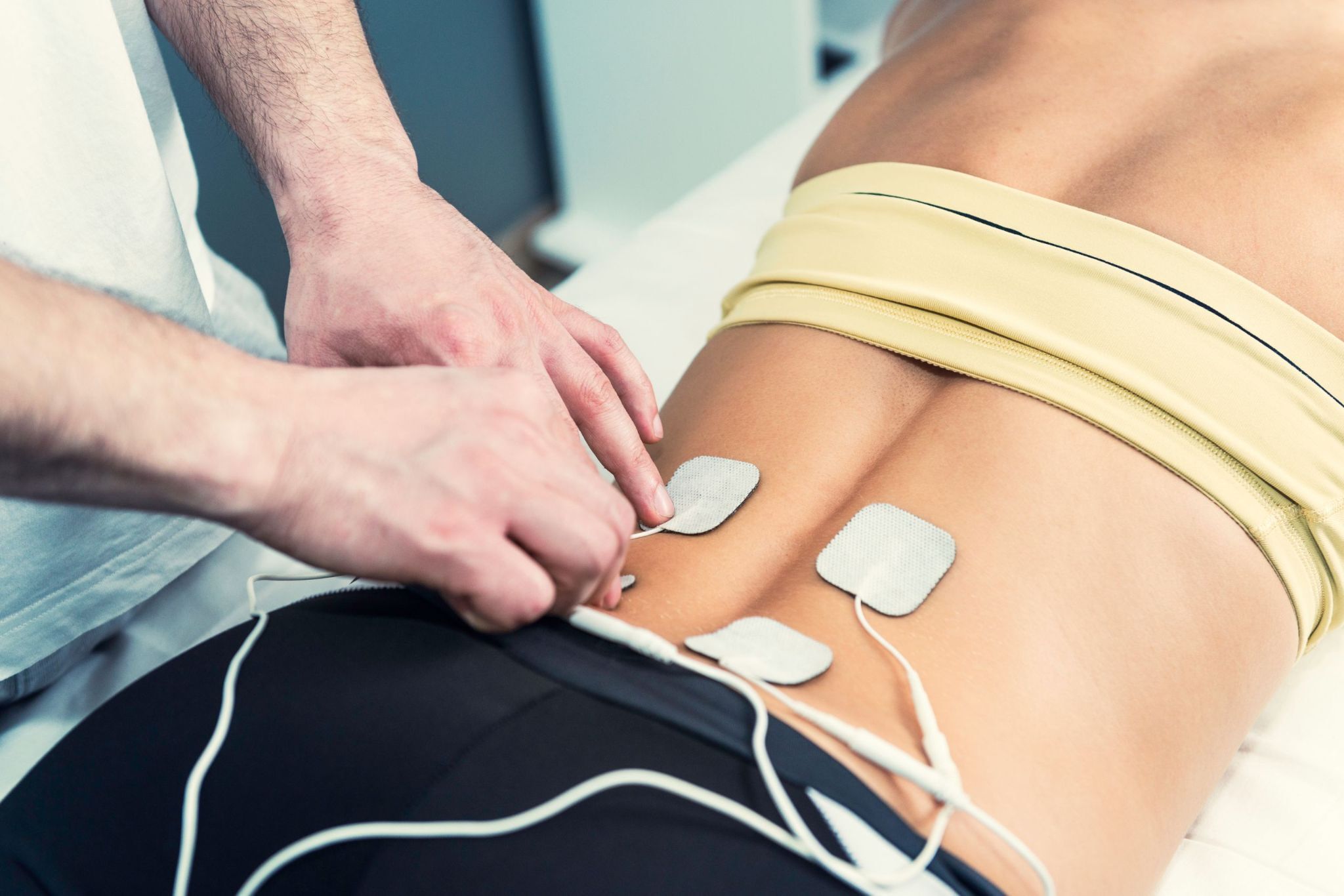
Specialized equipment may also play a role. Depending on your condition, your treatment plan could include cold therapy, electrical stimulation, therapeutic ultrasound, compression, or continuous passive motion (CPM) equipment. At the medcom group, we offer the highest quality orthopedic rehabilitation equipment for individuals and healthcare providers alike, available for both rental and purchase.
Is Orthopedic Rehab Right for Everyone?
Not every treatment works for every person. Your injury, medical history, medications, and stage of recovery can all affect which therapies are appropriate.
Orthopedic rehabilitation may not be right for people with certain acute or unstable medical conditions, undiagnosed injuries, or injuries that have not yet healed enough for therapeutic exercise, so anyone unsure about their condition should consult a healthcare professional before starting treatment (and continue working with your doctor or healthcare professional throughout your recovery journey).
Could Orthopedic Rehab Help You?
If an injury, surgery, pain, or reduced mobility has made everyday activities more difficult, rehabilitation may help you regain function and get moving comfortably again.
Start by discussing your symptoms and recovery goals with a healthcare professional. From there, you can build a rehabilitation plan that addresses your specific needs, including what type of specialized equipment can help you along your path. Contact the team at the medcom group to learn more about the state-of-the-art equipment we have available, or learn more about whether renting or buying orthopedic rehabilitation equipment is right for you!