
medcom® Scientific Studies Supporting Lymphedema Pumps

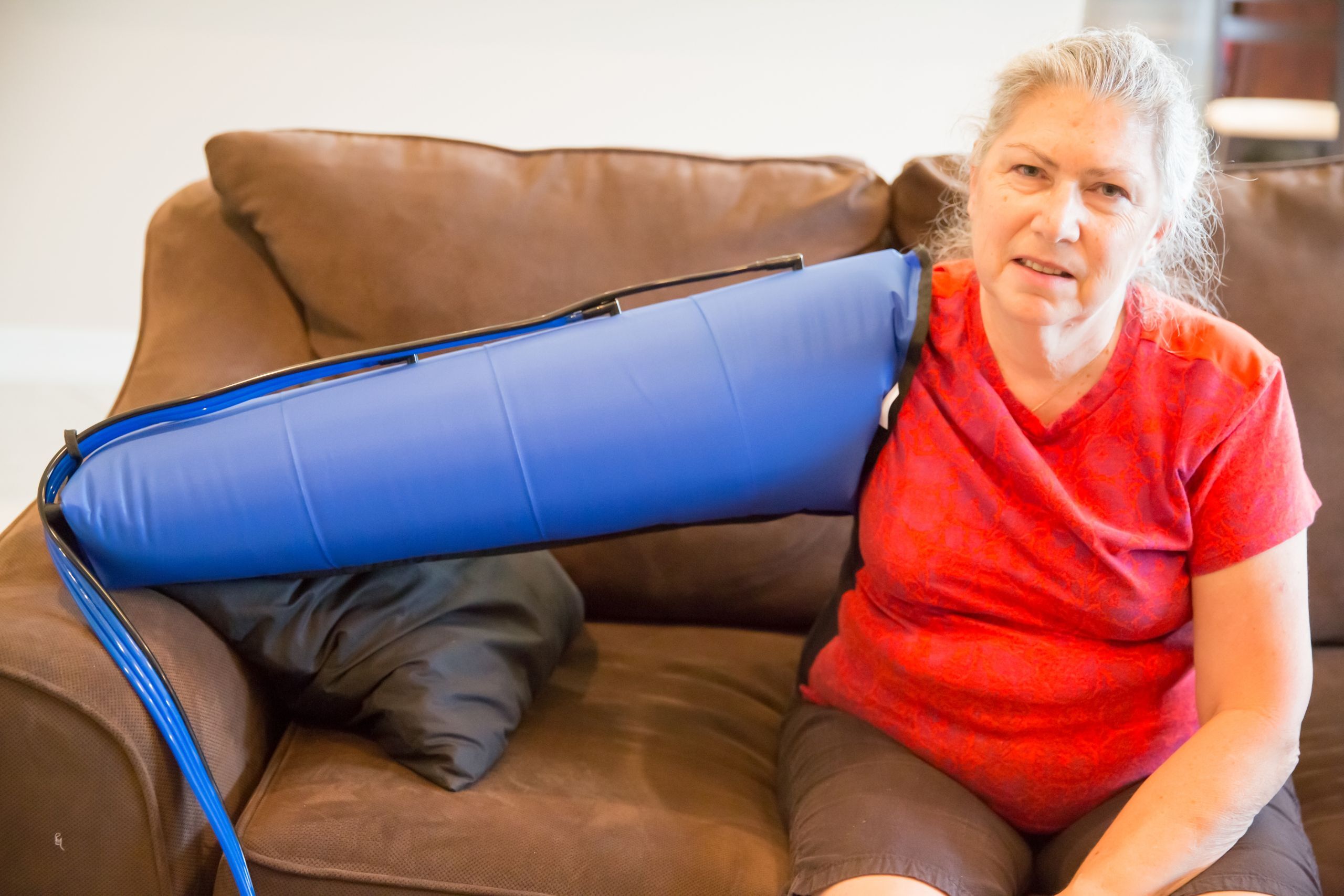
Swelling caused by lymphedema can be painful and restrictive. If left untreated, the condition can lead to serious complications like skin infections and sepsis. One of the most effective ways to reduce pain and lower the risk of complications is using a lymphedema pump.
Below, we’ll highlight the benefits of lymphedema pumps, explain how they work, and give step-by-step instructions for how to use one.
What Is Lymphedema?
Lymphedema occurs when your lymphatic system isn’t functioning properly. The lymphatic system carries lymph fluid throughout your body, providing nutrients to tissue while filtering out bacteria and viruses. When the lymphatic system is struggling, that fluid doesn’t drain as it should. The excess fluid leads to swelling, often in an arm or leg, called lymphedema.
Lymphedema is typically caused by genetics, cancer, or cancer treatment that damages or blocks the lymph vessels from doing their job. It is considered a chronic condition, but its symptoms can be mitigated through treatments like lymphedema pumps.
What Are Lymphedema Pumps?
Lymphedema pumps are medical devices designed to help manage fluid buildup in patients with lymphedema. These pumps work by delivering intermittent pneumatic compression to the affected limbs, promoting lymphatic drainage while reducing swelling.
Typically used as part of a comprehensive treatment plan, lymphedema pumps can enhance circulation and improve overall limb function. They are often recommended for patients who may not respond to traditional therapies like manual lymphatic drainage or compression garments.
What Conditions Do Lymphedema Pumps Help With?
Lymphedema pumps are beneficial for several conditions associated with fluid retention and poor lymphatic drainage. They are primarily used to treat:
- Primary Lymphedema: A genetic condition causing lymphatic system malformation.
- Secondary Lymphedema: Often resulting from surgery, radiation therapy, or trauma that disrupts lymphatic function.
- Venous Insufficiency: A condition where veins struggle to send blood back to the heart, leading to swelling.
- Post-Surgical Swelling: Fluid accumulation after surgeries, particularly in the limbs.
These pumps can alleviate symptoms and improve the quality of life for individuals affected by these conditions.
What Are the Benefits of Lymphedema Pumps?
Lymphedema pumps have become a popular choice for patients for several reasons.
- Convenience: Patients can use them in the comfort of their own home.
- Portability: The pumps can be easily transported if a patient is traveling.
- Customization: Many machines offer multiple pressure levels, so the patient can receive the exact pressure they want.
At-home solutions like lymphedema pumps allow people to visit the doctor less and enjoy more freedom and low-pain days.
How Do Lymphedema Pumps Work?
If someone has lymphedema, the excess fluid is trapped in the subcutaneous tissue and skin. When external pressure is applied to the affected area (typically leg or arm), the pressure within the limb is also changed, allowing veins to absorb more of the fluid.
Lymphedema pumps operate by applying controlled pressure to the limb to facilitate that movement of fluid. It does this through the use of an inflatable sleeve that wraps around the limb. The chambers in the sleeve gradually inflate and deflate in a rhythmic pattern. This consistent increase and decrease in pressure helps to move excess lymph fluid from the tissues back into the lymphatic vessels, facilitating better fluid balance in the body.
By enhancing circulation and reducing fluid buildup, lymphedema pumps can significantly alleviate discomfort and help patients maintain mobility in their arm, leg, or other affected area.
How Do You Use a Lymphedema Pump?
When you order a lymphedema pump, it can be helpful to ask the medical provider or supply technician to show you how to use this specific model.
Typically, you’ll want to plug in the machine and attach the sleeve. Next, get into a comfortable position and put the sleeve on the affected limb. Using our guide to using lymphedema pumps in coordination with medical advice from your doctor, set the pump to the prescribed level. Then, turn the machine on.
Remember to set a timer based on your doctor’s recommendation. Most machines will automatically turn off after an hour.
Scientific Studies Supporting Lymphedema Pumps
To help you educate yourself on the efficacy of lymphedema pumps, we’ve gathered several studies that discuss using the device.
Efficacy of Intermittent Pneumatic Compression on Breast Cancer-related Upper Limb Lymphedema: A Systematic Review and Meta-analysis in Clinical Studies
Findings of research: Complete decongestive therapy (CDT) and intermittent pneumatic compression (IPC) is the most common combination of treatments in breast cancer-related upper limb lymphedema. Results showed that additional application of IPC to CDT could further improve lymphedema within four weeks after the treatment period. Periodically continuous treatment should be suggested to maintain the effect of CDT + IPC to promote lymph drainage and lymphedema improvement.
Intermittent Pneumatic Compression for the Treatment of Lower Limb Lymphedema: A Pilot Trial of Sequencing to Mimic Manual Lymphatic Drainage Versus Traditional Graduated Sequential Compression
Findings of research: IPC is effective in reducing limb volume and improving quality of life for patients with lower limb lymphedema. The increase in leg volume observed after discontinuation of IPC suggests that regular treatment is required to maintain its associated effects.
Superior Clinical, Quality of Life, Functional, and Health Economic Outcomes with Pneumatic Compression Therapy for Lymphedema
Findings of research: Pneumatic compression therapy leads to improved clinical outcomes, quality of life, and functional status for clinically significant lymphedema. Significant per capita direct cost savings, a beneficial impact on pay for performance measures, and a reduction in lymphedema-related complications suggest that earlier adoption of this treatment modality may offer a superior value proposition to patients, physicians, hospitals, and the healthcare system.
The Cutaneous, Net Clinical, and Health Economic Benefits of Advanced Pneumatic Compression Devices in Patients With Lymphedema
Findings of research: The study found an association between significant reductions in episodes of cellulitis (cancer vs noncancer cohorts) and outpatient care and costs of APCD acquisition within a 1-year time frame in patients with both cancer-related and non-cancer-related lymphedema.
The Effectiveness of Intermittent Pneumatic Compression in Long-Term Therapy of Lymphedema of Lower Limbs
Zaleska, Olszewski, and Durlik 2014
IPC takes over the permanently missing function of the obliterated lymphatics by squeezing edema tissue fluid to the regions with normal lymphatic drainage. The limb circumference is decreased or at least does not further increase, elasticity of tissue is increased and maintained. No complications in limb tissues were observed. The long-term, high pressure IPC, long inflation timed therapy can be safely recommended to patients with lower limb lymphedema.
Products
The medcom group offers a diverse range of lymphedema pump equipment for patients and healthcare providers, including:
The content provided in this resource is intended solely for informational purposes and does not constitute professional medical advice, diagnosis, treatment, or endorsement by the medcom group®, ltd. Although we strive to keep the information up-to-date and accurate, we cannot guarantee its current validity or applicability to every situation or individual.
This resource post may discuss matters related to lymphedema pumps, but it should not be used as a substitute for professional medical advice. It's crucial to consult with your healthcare provider or a qualified medical professional before starting any new therapies, including lymphedema pumps, or making any changes to your current healthcare regimen.
In no case shall the medcom group®, ltd. be liable for any direct, indirect, incidental, special or consequential damages, or losses that might occur from the usage of this information. The reader should always perform their own due diligence before making any decisions related to their health. The medcom group®, ltd. disclaims any responsibility for any actions taken based on the contents of this resource.
By using this resource, you understand and agree that the use of this information is entirely at your own risk and it is your sole responsibility. Please consult with your healthcare provider for personalized medical advice. Always seek the advice of your physician or other qualified health providers with any questions regarding a medical condition. Never disregard professional medical advice or delay in seeking it because of something you have read on this resource.