
Shockwave Therapy vs. Ultrasound Therapy
Posted by the medcom group on 25th Jun 2025
If you’ve recently sustained an injury or are experiencing chronic pain, your doctor may suggest shockwave therapy or ultrasound therapy. In many ways, these non-invasive therapies are similar. However, they’re administered in different ways and can treat different injuries and disorders.
Below, we unpack the pros and cons of each, as well as which one may be right for you.
What Is Ultrasound Therapy?
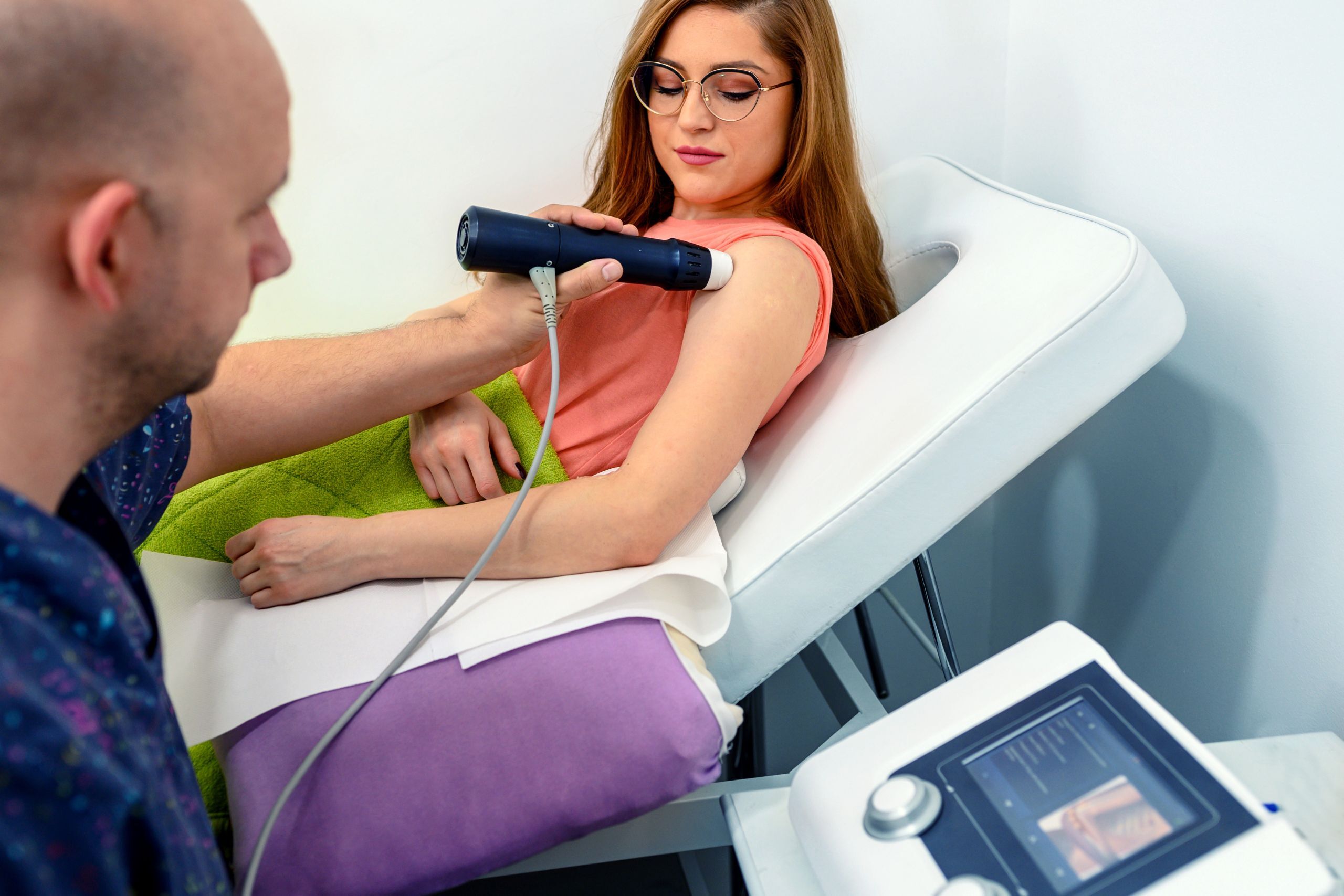
Ultrasound therapy uses sound waves to generate heat within the damaged tissue. It creates this heat through vibrating the injured tissue. When the temperature of the tissue is raised to 104°F and maintained for five minutes, blood flow increases to the affected area. This surge in blood brings oxygen and nutrients, which lead to less swelling, reduced muscle spasms, and improved flexibility.
There are two types of ultrasound therapy: thermal and mechanical. Thermal ultrasound therapy warms the skin and muscles, which alleviates pain and stimulates repair. Mechanical ultrasound uses mechanical vibrations to break up deposits like kidney stones or break down scar tissue.
Ultrasound treatment is usually quite short, lasting between five to 10 minutes, and is generally pain-free. It’s continued weekly or bi-weekly until pain subsides or other progress is documented.
What Can Be Treated with Ultrasound Therapy?
Ultrasound therapy is most effective for soft-tissue injuries such as:
- Muscle strains
- Ligament sprains
- Tendonitis
- Tennis and golfer’s elbow
What Is Shockwave Therapy?
Shockwave therapy uses high-energy acoustic waves to promote tissue healing, rather than heat like ultrasound. These waves can reach tissue deep within your body, up to 6 centimeters, that is difficult to reach otherwise.
Also called extracorporeal shockwave therapy (ESWT), this type of electrotherapy treatment causes micro-trauma within the targeted tissue. While this may sound alarming, this is a key process in the healing process. When our body registers the trauma, it moves into hyperdrive to heal it by stimulating blood flow and metabolism.
Shockwave therapy isn’t always comfortable. You feel the vibration of the applicator, and your muscle may start feeling sore after a few minutes. However, the benefits of this technique are similar to that of a deep tissue massage. It hurts in the moment, but you know you’re going to feel much better afterwards.
There are two types of shockwave therapy: focused and radial. Focused shockwave therapy sends waves deep into a small area. This technique can be beneficial in treating bone diseases. Radial shockwave therapy, on the other hand, spreads the waves over a broader area, which can be helpful for trigger points.
Shockwave therapy sessions are short, usually between five and 15 minutes. These sessions are often carried out weekly, until the patient no longer has pain.
What Can Be Treated with Shockwave Therapy?
Shockwave therapy can aid in the healing of injured tendons, ligaments, and even bones. It can be used to treat:
- Frozen shoulder
- Strained calves and hamstrings
- Plantar fasciitis
- Stress fractures
- Osteoarthritis in the knees, hips, or shoulders
- Tendonitis in the foot and ankle, hip, or shoulder
- Scar tissue
Differences Between Shockwave and Ultrasound Therapy
When comparing shockwave therapy vs. ultrasound therapy, there are some key differences to consider. Shockwave therapy works very well for chronic injuries that haven’t healed properly, while ultrasound can be effective in treating more short-term issues like strains and sprains.
Another distinction is that shockwave therapy is only administered by a medical professional, such as a sports medicine physician or athletic trainer. Ultrasound therapy, on the other hand, is more accessible. There are ultrasound devices a person can use at home, and beauty technicians also use ultrasound devices for facials and other procedures. Ultrasound can be used to treat neurological disorders as well.
Which Should I Choose?
When deciding which therapy to undergo, it’s best to talk through the options with your doctor and listen to their recommendation. When you speak with them, be sure to ask about the possibility of performing the therapy at home, on your own. If you go with this option, a wearable device such as the sam® Sport/Pro 2.0 can be a great solution.
If you want recommendations on other electrotherapy devices, contact our knowledgeable team at the medcom group to learn about other equipment that could be helpful for you.