
What is a Lymphedema Pump

What are Lymphatic and Venous Disorders?
Lymphatic and venous disorders encompass a range of conditions that disrupt the normal flow of blood or lymphatic fluid in the body, leading to pain, swelling, and other complications. Understanding these disorders is crucial for finding effective treatments.
Lymphatic Disorders
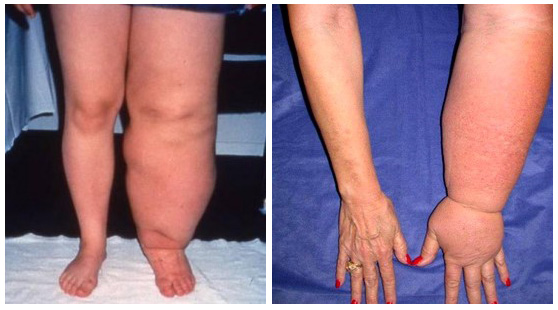
Lymphatic disorders, such as lymphedema, occur when the lymphatic system—responsible for draining excess fluid from tissues—fails to function properly. This can result in swelling, primarily in the arms or legs, and can be either primary (congenital) or secondary (developing after surgery, infection, or injury). Primary lymphedema is often inherited, while secondary lymphedema is more common and often linked to cancer treatments or infections.
Venous Disorders
Venous disorders, such as chronic venous insufficiency (CVI) and deep vein thrombosis (DVT), involve problems with blood flow in the veins. CVI occurs when veins in the legs cannot return blood to the heart effectively, leading to swelling, pain, and sometimes skin changes. DVT, on the other hand, involves blood clots forming in the deep veins of the legs, which can be life-threatening if a clot travels to the lungs.
Both types of disorders share common symptoms, such as swelling, discomfort, and skin changes, but they require different management approaches. Addressing these conditions often involves a combination of lifestyle changes, medical treatments, and advanced therapeutic devices designed to provide relief and improve circulation.
Traditional Treatment Options
There are several methods for treating lymphedema. Compression stocking or compression wraps/bandages squeeze the limb, forcing fluid out. Another method of treating lymphedema is manual massage. The sequence of hand motions, mimics the physiological and anatomic principles of the lymphatic system and directs the fluid from swollen areas to functioning lymphatic areas. As much as we would all like to have our own personal masseuse at home, it isn't practical for most people.
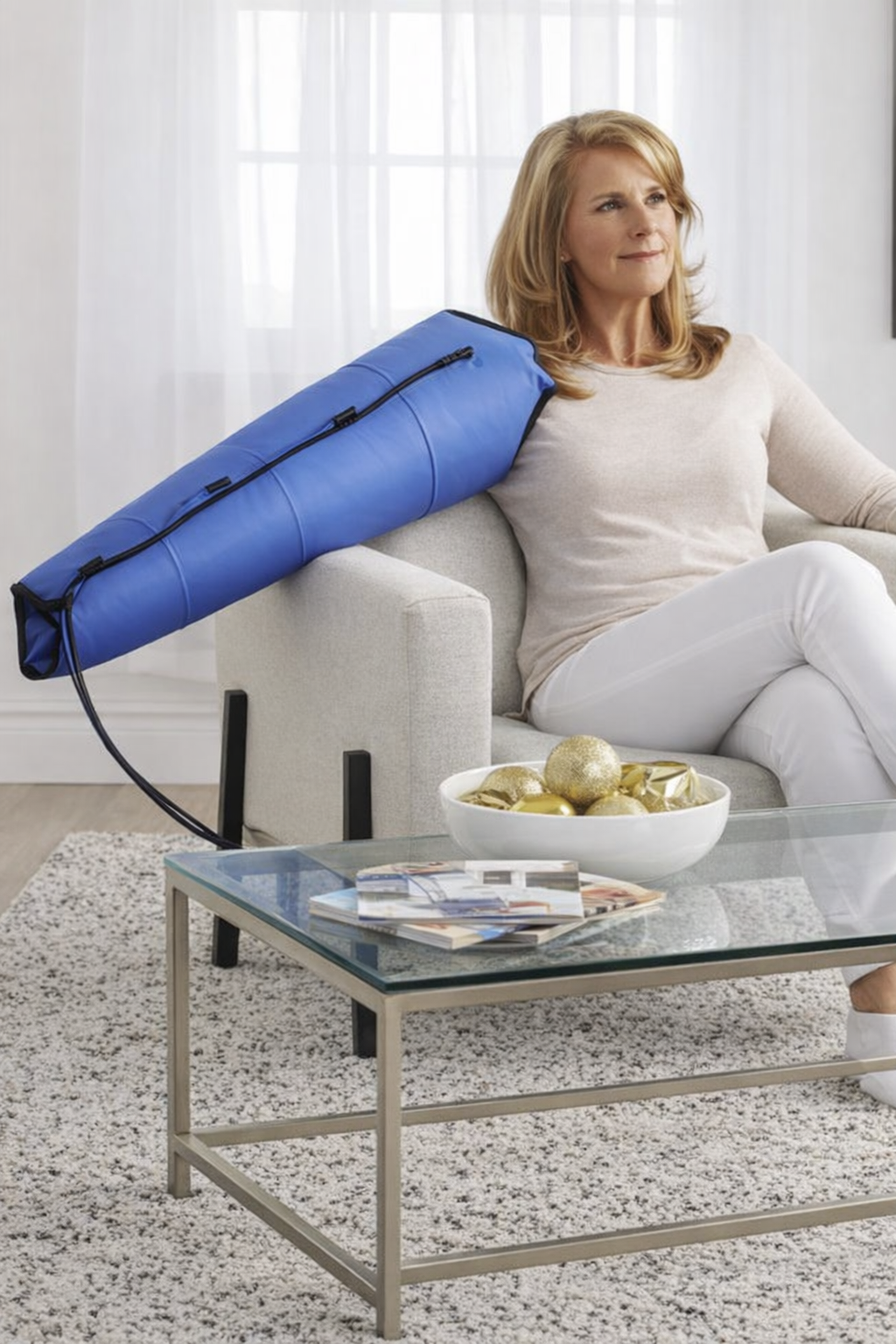
A Lymphedema Pump is an intermittent, pneumatic compression device with sequential gradient pressure. Unlike SCD machines that are designed to prevent blood clots (DVT), a lymphedema pump focuses on moving lymphatic fluid to reduce swelling.
- Intermittent - not continuous pressure, rhythmic, steady contractions
- Pneumatic - compression is from air
- Sequential - the multiple chambers in the garment inflate in order, from the end of the limb towards the trunk forcing fluid out of the limb
- Gradient Pressure - the pressure decreases from chamber to chamber, preventing backflow towards the end of the limb
Similar to manual massage, a lymphedema pump mimics the physiological and anatomical principles of the lymphatic system. The lymphedema pump is proven to decrease limb volume and improve lymphatic function. Most lymphedema pumps are lightweight, portable, easy-to-use, and cost-effective. They are intended for hospital or home use. Most can be used unilaterally (one limb) or bilaterally (two limbs). In addition to decreasing the size of the limb and improving lymphatic function, another advantage of having a lymphedema pump in your home is the treatment is available to you 24 hours a day. You don't have to set an appointment to use the machine. You don't have to spend time driving to an appointment. You can sit down, put on the garments and get treatment any time it is convenient for you. A lymphedema pump is the best way to reduce the swelling during the initial phase of use as well as limit the progression of the disease moving forward.
Lymphedema pumps:
- reduce pain
- reduce edema (swelling)
- mimic the lymphatic system
- promote lymphatic flow by moving fluid in the proper direction (from the hands and/or feet towards the heart)
- stimulate circulation to promote wound healing
- deliver continuous flow
Click here to visit our rent Lymphedema Pumps page.
Click here to visit our buy Lymphedema Pumps page.
If you have questions and/or concerns about which Lymphedema Pump is right for you, please call one of our friendly Patient Representatives for a free consultation at 877-301-4276.
We're here to help!